


Overhead light alone makes a room feel like an office after dark. The fix is layers — and knowing which lamp does which job.
The three-source rule
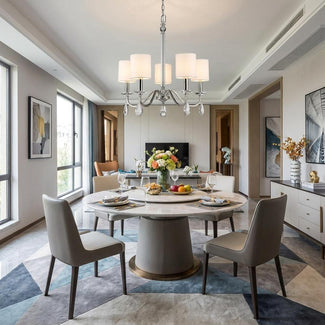
Every room needs at least three points of light at different heights: overhead, mid-level and low. Three modest lamps will beat one bright ceiling fixture every time.
Arrange them roughly in a triangle around the room rather than in a line. Light from three directions removes the shadows that make faces look tired.
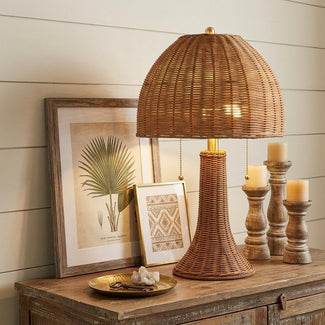
Reach for a table lamp when you have a surface
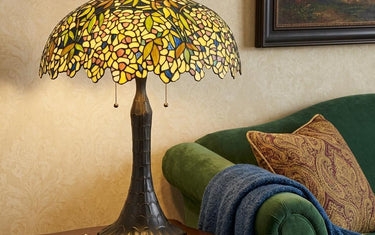
Beside a sofa, on a console, on a nightstand. The shade's bottom should sit at roughly eye level when you are seated — about 58 to 64 inches from the floor including the table.
Pairs work beautifully on nightstands and consoles. Symmetry is restful, and in a bedroom that matters.


Reach for a floor lamp when you do not
Behind a reading chair, in the dead corner every living room has, or arcing over a sectional where no side table will fit.
An arc lamp gives you overhead light without wiring anything — the single best solution for a rented apartment with bad ceiling lighting.


Wall lights for the spaces in between
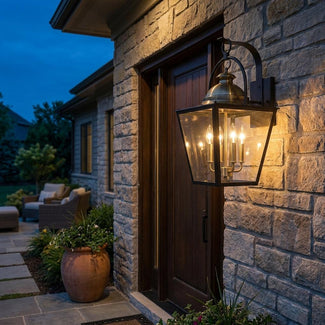
Hallways, beside a bed where the nightstand is too small, and flanking a mirror or fireplace. They free the surface and put light exactly where you need it.


Shop the look
Shop table lamps, floor lamps and wall lighting to build your layers.