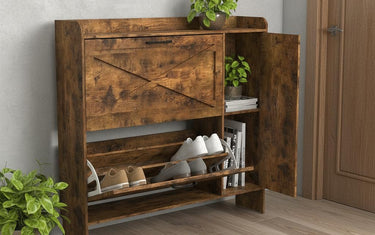
Small rooms do not need small furniture. They need the right furniture, arranged so the eye can travel — here are the moves that work.
1–3. Let the floor show
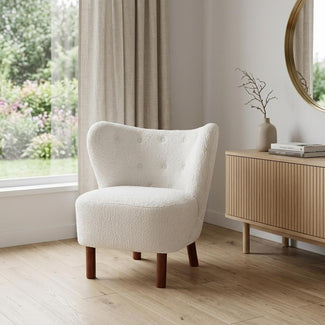
Choose furniture on visible legs rather than pieces that sit flat on the ground. Every inch of floor the eye can see reads as space. The same logic favors glass and open-frame tables over solid blocks, and a console over a chest of drawers where you can manage it.


4–6. Go tall and go big
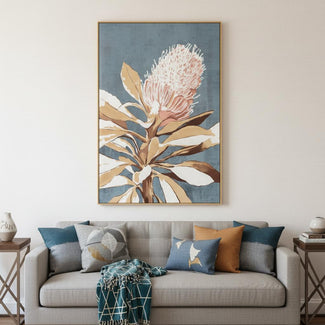
Hang curtains at the ceiling, run shelving to the top of the wall, and choose one large piece of art rather than several small ones. Scattering small objects across a small room makes it feel busier and therefore smaller.
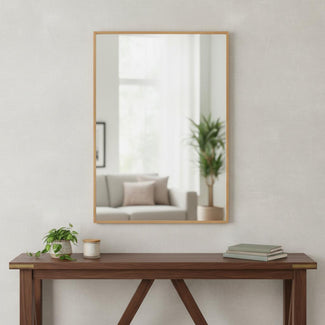
One oversized mirror is the exception that proves it — the bigger, the better.


7–9. Light in layers
Three light sources at three heights, wall lights instead of table lamps where surfaces are scarce, and mirrors positioned to bounce daylight deeper into the room.
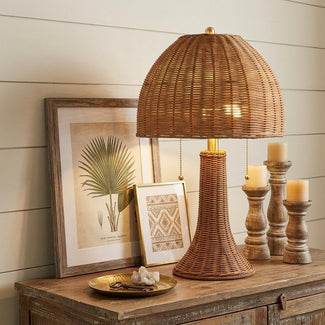
Keep the lamp shades pale — dark shades absorb the light you are trying to spread.


10–11. Give everything a job
An ottoman that stores blankets and doubles as a seat. A nesting table that splits in two when guests arrive. In a small home, a piece that does one thing is a piece that is in the way.
Then edit. The most effective small-space tool is removing the third thing from the surface.


Shop the look
Shop pieces scaled for apartments and smaller rooms.